

If you’ve been around livestock long enough, you’ve probably developed a love-hate relationship with your watering system.
More often than not, it starts off great. But then winter hits. The heaters burn out. The tanks freeze. Pipes crack. The electric bill spikes. And you’re out there in zero-degree wind trying to make sure your cattle or horses don’t run dry.
That was me for a lot of years. I’ve used just about every kind of water system out there — from heated tanks to solar float valves to buried lines that seemed great until they weren’t. And eventually, I got sick of it.
So I went on a mission to find something better. Something that could handle real-world weather, didn’t break the bank, and wouldn’t become one more thing I had to babysit every week.
Here’s what I learned on my search for the best livestock waterer systems — and why I now recommend one system above all the rest.
What Makes a Good Livestock Waterer, Anyway?
Before I started comparing systems, I had to get clear on what actually matters.
You’d be surprised how many setups sound great on paper but fall apart when you put them in front of 1,200-pound animals in Midwest winters.
So here’s what I decided were non-negotiables:
- Freezing resistance — If it can’t handle winter, it’s a no-go
- Cleanliness — Less standing water means healthier animals
- Ease of use — For the animal and the operator
- Durability — These systems take a beating
- Low maintenance — I don’t have time for weekly repairs
- Cost-to-longevity value — Cheap now = expensive later
And maybe most important… it had to work for cattle, horses, or goats without modification. That’s where most systems start to fall apart.
The Contenders: What I Tested (or Tossed)
Here are the systems I considered, researched hard, or tried firsthand.
Heated Stock Tanks
This is what most of us grew up with. Plug it in, drop in the heater, and hope it holds.
Pros:
- Easy to find
- Familiar to use
- Cheap up front
Cons:
- Heaters fail often
- Electricity bills skyrocket
- Algae builds up in warmer months
- Still freezes if the heater shorts out
- Needs constant cleaning
My verdict: This can be the best option depending on your situation, but is not typically my first choice.
Insulated Tank Covers or Boxes
Basically a styrofoam or wood box to help tanks retain heat. Sometimes paired with solar warmth.
Pros:
- Can extend heater efficiency
- Works okay in mild climates
Cons:
- Still relies on electricity or sun
- Gets disgusting fast
- Doesn’t eliminate freezing, just slows it
My verdict: Good effort, but not good enough for Nebraska winters.
Float Valve Auto-Fill Systems
Tanks that refill themselves when the water gets low. Seems smart.
Pros:
- Keeps water full
- Can be used with gravity systems
- Minimal interaction needed
Cons:
- Doesn’t address freezing
- Requires regular float maintenance
- Valves freeze or break easily
- Still standing water in tank
My verdict: Great idea, poor execution. Still needs too much attention.
DIY Trough Hacks (Black Rubber, Insulation, etc.)
I’ve seen everything from old bathtubs to tire-based troughs filled with pea gravel.
Pros:
- Cheap
- You can brag about building it yourself
Cons:
- Almost always needs redoing
- Temporary at best
- Still struggles with freeze, sanitation, and pressure
My verdict: Fun weekend project, not a long-term fix.
The Drinking Post: A Different Breed of Waterer
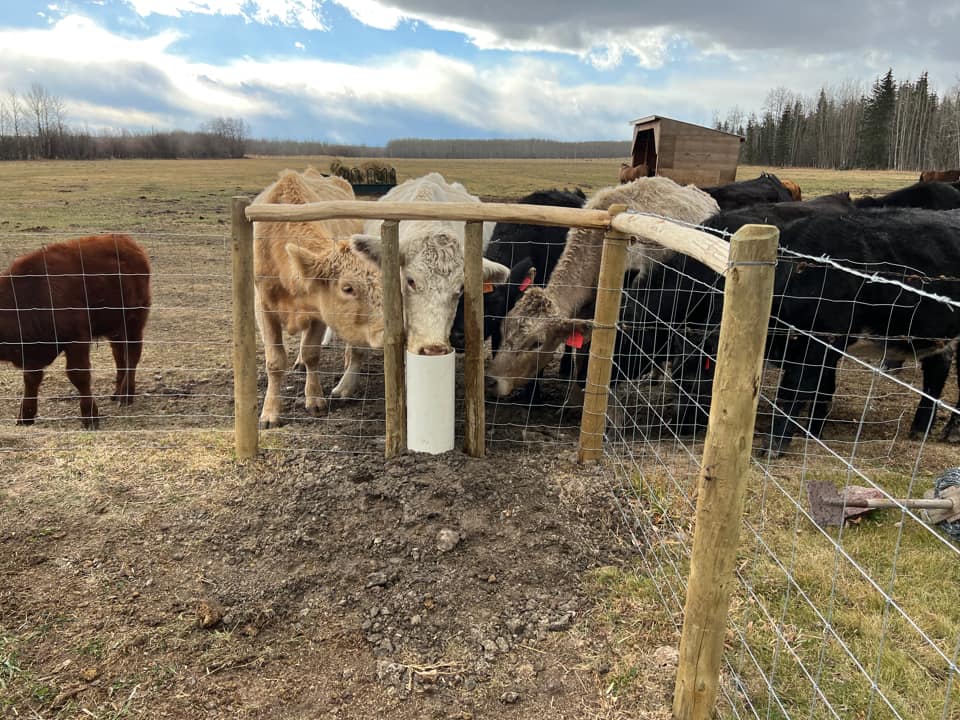
When I first saw the Drinking Post, I honestly thought it looked like an oversized mailbox.
But after looking into how it worked, I was intrigued. It wasn’t heated. It didn’t use electricity. It didn’t even have standing water.
That sounded like either genius… or snake oil.
So I installed one. Then another. Then started offering it to my own clients. Now I recommend it to almost everyone.
Here’s what won me over:
- Frost-Free by Design — No water sits above ground. After each drink, the bowl empties into a gravel base well below the frost line.
- No Electricity — Nothing to plug in. Nothing to short out. Nothing to spike your bill.
- Fresh Every Time — No slime, no algae, no mosquito larvae. Just clean water when the animal wants it.
- Simple Operation — Animal presses a paddle with their nose. Water flows in instantly. They learn it fast.
- Built to Take a Beating — Thick plastic, sturdy design, animal-proof engineering. One install lasts for years.
Did You Know?
Animals, especially cattle and horses, will drink more water when it’s clean and fresh. Better hydration improves digestion, feed conversion, milk production, and heat regulation.
In one case, we noticed our animals drinking almost 30% more water in the winter simply because it wasn’t ice-cold or algae-filled.
That means better gain. Better weight. Better everything.
What I’d Never Use Again
I’ll tell you right now, stock tanks are out for me.
It’s not just about freezing. It’s the constant upkeep. The heater replacements. The algae scrubbing. The overflow issues. The wasps building nests under the lid. The “surprise” ice when the breaker flips.
They’re old tech, plain and simple. They worked when there weren’t better options. But now there are.
And the difference between “fine” and “flawless” is huge when you’re managing 100+ head and 12-hour days.
What I Use Now — And Why I Recommend It
After going through all the options, it wasn’t close.
The Drinking Post waterer checks all my boxes:
- It’s simple
- It’s tough
- It works in brutal conditions
- It doesn’t need electricity
- It doesn’t need cleaning every week
- It just… works
That peace of mind? Worth everything.
When I leave the farm in winter now, I don’t think twice about water. And if you’ve ever dealt with frozen systems, you know that’s no small thing.
But… Installation Matters
If you do go this route, here’s a piece of advice from someone who’s installed more of these than I can count:
Don’t half-ass the install.
You need:
- Proper trenching (deep enough for your frost line)
- Gravel leach field (so the drained water doesn’t freeze or back up)
- Reliable pressure (25–65 PSI works great)
- Paddle adjustments (for the size of your animals)
- A training plan if you’re working with young or new livestock
Insider Tip from Jeremy:
If you’re already trenching for a water line, go ahead and have us add the Drinking Post now. The install’s clean, the trench is open, and it saves you money doing it all at once.
Who Should Consider This System?
Honestly, most folks with livestock in cold climates.
- Horse owners tired of buckets
- Cow-calf operations needing consistency
- Goat producers who want fewer chores
- Feedlots managing multiple pens
- Anyone building a new setup and doing it right the first time
If you’re tired of managing your waterer instead of trusting it… this is what you’ve been looking for.
Final Word: Do It Once, Do It Right
I’ve wasted more time and money trying to make broken systems work than I care to admit. But once I found the Drinking Post and started doing installs the right way, everything changed.
No frozen tanks. No stress. No wasted labor.
Just reliable water — every day, every season.
If that sounds like the kind of upgrade you’ve been needing, let’s talk. We’ll take care of the install and set it up so you don’t have to think about it again.
📞 (402) 513‑7275
📧 info@bearcreekfarmsne.com
Let’s winter-proof your water system for good.