

Winterizing Your Water System, Before You’re Forced To
Every year it’s the same story. Somebody calls me in late November, usually right after the first real cold snap, and they’re standing next to a busted pipe or a tank that’s frozen solid wondering how it happened so fast.
I’ll tell you how. It happened in October, when the weather was still decent and there was time to get ahead of it. Nobody wants to think about winterizing when it’s sixty degrees out. But that’s exactly when you need to.
So before you’re the guy calling me at 7 AM with cattle standing around a dry tank, let’s go through what winterizing livestock water systems actually looks like, and why doing it now beats doing it in a panic later.
Why Winterizing Gets Put Off (And Why That’s a Mistake)
I get it. In October you’ve got cattle to move, hay to finish, equipment to service, and a hundred other things ahead of “check the water system” on the list. It’s not broken yet, so it’s easy to let it ride.
The problem is that water systems don’t fail gradually. They work fine right up until the first hard freeze, and then they fail all at once, usually on the coldest night of the year, usually when you’ve got the least amount of daylight and patience to deal with it.
Winterizing isn’t about fixing something broken. It’s about making sure nothing breaks in the first place.
The Real Winterizing Checklist
Here’s what I walk through on my own place, and what I tell every producer who calls me this time of year.
Drain What Needs to Be Drained
Any above-ground line, hose bib, or seasonal waterline that isn’t buried below the frost line needs to be drained completely before the first freeze. Standing water in an exposed line is the single fastest way to end up with a cracked pipe you won’t find until spring.
Check Your Tank Heaters Now, Not in December
If you’re still running heated stock tanks, test the heater before you need it. Plug it in, make sure it’s actually putting out heat, and check the cord for cracks or chew damage. I can’t tell you how many service calls I get where the “problem” is a heater that’s been dead since August and nobody noticed until the tank froze solid. If your tank freezes every single winter no matter what you do to the heater, there’s usually a specific, fixable reason for that.
Insulate Exposed Pipe and Fittings
Any fitting, valve, or short run of pipe that sits above ground or close to the surface needs insulation or heat tape before the cold sets in. This is cheap and easy to do in October. It’s a lot harder to do when the ground’s frozen and you’re doing it as an emergency fix.
Inspect Buried Lines for Depth
If you’ve had freezing issues in the same spot every year, that’s not bad luck. That’s a line that isn’t buried deep enough for your frost line. October is the time to find that out and fix it, not January.
Check Drinking Post Drainage
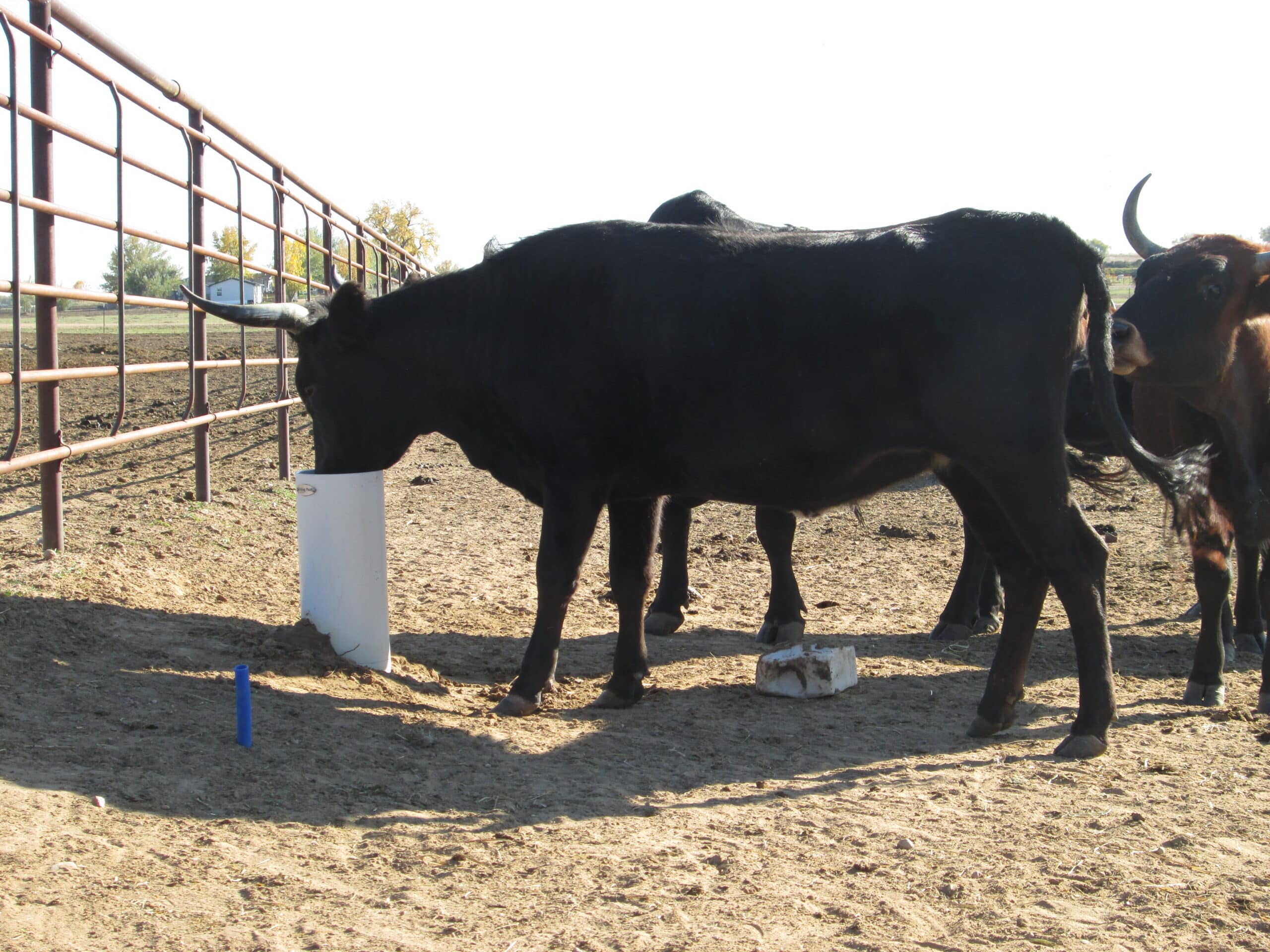
If you’ve already got Drinking Posts installed, make sure the gravel leach field underneath is still draining properly. Over time, sediment or ground shift can slow drainage, and a Drinking Post that doesn’t drain fully is a Drinking Post that can start freezing, which defeats the whole purpose of having one.
Walk Every Water Source on the Place
Tanks, posts, hydrants, hose bibs. Walk to every single one before winter and make sure it’s functioning the way it should. It’s a lot easier to catch a slow leak or a weak connection in October than to discover it under two feet of snow.
Insider Tip from Jeremy: If you’ve got a system that’s given you trouble every single winter, stop treating it like an annual inconvenience and start treating it like a sign something’s actually wrong. Nine times out of ten it’s a depth issue, a drainage issue, or a line that was never installed right in the first place. We can usually fix that permanently in the fall for less than what you’ll spend fighting it every winter.
What Happens If You Skip It
I’ve seen the same handful of problems play out again and again on farms that didn’t winterize:
Cracked pipes from water that was never drained Tanks that freeze solid because the heater quietly died months earlier Cattle without water for hours, sometimes overnight, before anyone notices Emergency service calls in the worst weather of the year, at premium pricing, because everybody needs help at the same time Repairs that cost two or three times what prevention would have
None of that is hypothetical. It’s just what happens when water systems get ignored until they fail. We’ve broken down the most common water line problems we see on farms in more detail if you want to know exactly what to watch for.
Did You Know?
Livestock water intake drops fast when water is inconsistent or unavailable, even for a short stretch. That shows up later as reduced gain, lower feed efficiency, and in cows, it can affect reproduction. Ohio State University Extension research on water effects on livestock performance backs this up. A few hours without water doesn’t just cost you time fixing the problem. It can cost you performance you don’t get back.
Winterizing By System Type
Not every water system needs the same prep, so here’s a quick breakdown:
Traditional Stock Tanks
Test heaters, check cords, clean out algae buildup before it freezes into the tank, and check for cracks that widen once ice starts forming.
Buried Waterlines
Confirm depth below the frost line, check insulation at any shallow points, and make sure valves and hydrants aren’t sitting exposed.
Drinking Posts
Confirm gravel leach field drainage, test paddle function, and make sure the buried components are still protected below the frost line.
Frost-Free Hydrants
Check that the drain valve at the base is seating properly. A hydrant that doesn’t drain completely after each use will freeze just like anything else.
Insider Tip from Jeremy: If you’re planning any kind of water system work for next year anyway, whether that’s a new line, a new tank, or adding a Drinking Post, fall is genuinely the best time to do it. The ground’s still workable, we’re not fighting frost, and you walk into winter with a system that’s already proven itself instead of one you’re hoping holds up.
A Few Questions I Always Get
How late is too late to winterize?
As long as the ground isn’t frozen solid, we can still get work done. But once we’re into a hard freeze, options get a lot more limited and a lot more expensive.
Do Drinking Posts need winterizing at all?
Less than a traditional system, since there’s no standing water to drain and no heater to fail. But it’s still worth confirming the drainage is working properly before the ground freezes hard.
What if I already have a frozen line?
Call us. Depending on where the freeze is, we may be able to thaw and repair it, but prevention is always cheaper and faster than a mid-winter fix.
Final Thought: Do It While You Still Can
Winterizing isn’t glamorous. It’s not going to make your operation more efficient or your cattle grow faster. But skipping it is one of the most common, most avoidable reasons producers end up dealing with a frozen system in the dead of winter.
Walk your water sources now. Fix what needs fixing now. Winter’s coming whether you’re ready or not.
Call us at (402) 513-7275 or email info@bearcreekfarmsne.com if you want a hand getting your water system squared away before the freeze hits.
Let’s get you into winter without a single water problem.