We build a lot of fence. Some of it’s welded solid from corner to corner. Some of it’s bolted together with heavy-duty hardware, especially for windbreaks and line fence. We don’t pick favorites. We pick what works, based on what that section of fence needs to handle.
But I’ll be honest. One fence panel we installed taught me more about that decision than any blueprint or spec sheet ever did.
It was a typical build. Good pipe, solid spacing, heavy-duty corners. One section was fully welded. Another section, a stretch of line fence, was bolted together using guardrail.
Then came the test. A 1,400-pound cow, riled up after a tight squeeze in the alley, slammed full-force into the panel.
Guess what? One side flexed and held. The other shifted. And we learned, once again, that both welding and bolting can be right, but only when you use them where they make sense.
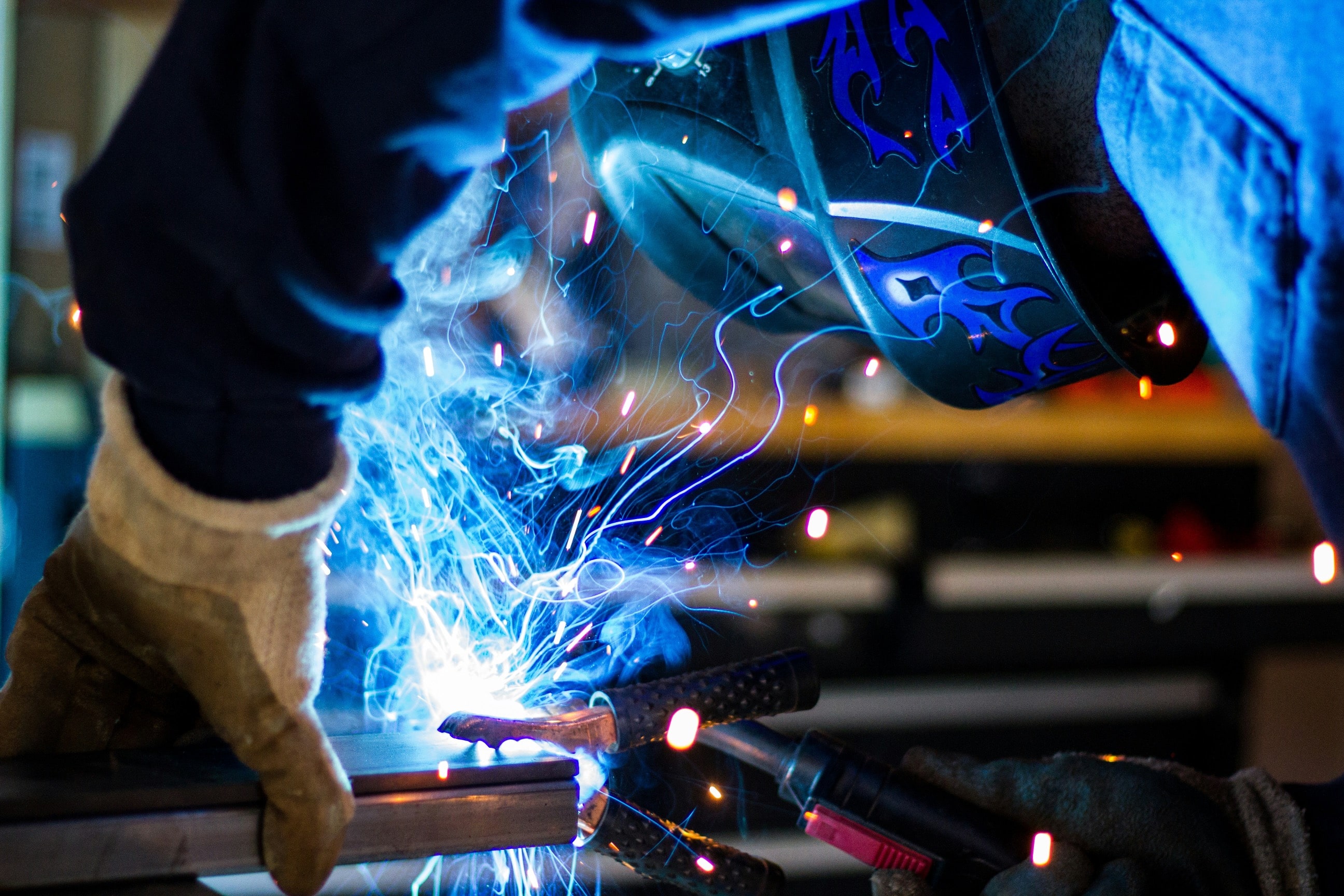
Welding vs Bolting: It’s Not a Competition
I’ve seen people go all-in on welding because it “feels stronger.” I’ve seen folks bolt every panel because they want flexibility and fast installs. Here’s the truth:
Welding and bolting are both legit when done right and for the right reasons.
Here’s how we think about it:
Welding Is Best For:
- High-impact zones (gates, catch pens, corners)
- Areas that get leaned on, kicked, or used for sorting
- Structural points that stay fixed for life
- Gate frames and bracing systems
Bolting Is Best For:
- Guardrail panels used in line fence or windbreaks
- Systems you may want to move or expand later
- Longer runs that don’t take direct animal impact
- Connecting pre-fab pieces quickly and solidly
We bolt a lot of guardrail, especially for windbreaks and line fence. It works. It holds. And we stand behind every inch of it.
What Happened When the Cow Hit It
Back to that story.
The cow didn’t aim for the fence. She came around a gate too fast and skidded on packed dirt, shoulder-slamming into the panel full force.
The welded corner took the hit and held. It flexed a little, but everything stayed upright. The bolted section of line fence shifted enough to loosen one connection. It didn’t fail catastrophically, but it needed tightening the next day.
What did we learn?
- Welded corners are king for taking direct impact
- Bolted lines work fine when not under stress
- No system failed, but each responded differently
Choosing the Right Fastener For the Job
When we meet a new client or walk a project site, we ask three simple questions:
1. What’s this fence going to deal with?
Is it next to a chute? A gate? A busy corner? That leans us toward welding.
2. Does this section need to be movable or modular?
We often bolt guardrail for this reason. You can add, adjust, or reuse it later.
3. Who’s using this, and how hard are they on it?
Beef cattle behave differently than horses or goats. Bulls test corners. Horses test patience. Fencing needs to match the user.
Insider Tip from Jeremy:
If you’re using guardrail panels or pre-fab windbreaks, bolting is not just acceptable… it’s smart. But if you’re tying into load-bearing corners or high-traffic gates, weld it solid and sleep easier.
Cost, Time, and Longevity
Welding:
- Takes more time and gear
- Requires prep, clean steel, and experience
- Holds up to heavy, repeated abuse
- Harder to change or move
Bolting:
- Faster install
- Easier to adjust or replace parts
- Requires checking and maintenance over time
- May shift under high pressure if not overbuilt
We don’t pick one based on cost. We pick based on function first, then factor in time and budget. That’s how we end up with jobs that last years instead of needing patch work every spring.
Appearance and Maintenance
Let’s be honest, welded joints look cleaner. They don’t collect as much water, and they paint easier.
But bolted guardrail still looks sharp when installed right. The key is using quality fasteners, good layout, and no shortcuts. Some of the best-looking windbreaks we’ve installed are fully bolted, and they’re still standing strong years later.
Final Word: Use the Right Tool for the Right Job
That 1,400-pound cow taught us a lesson we already knew but she made sure we remembered it.
If you’re building a corner post or a load gate, weld it. If you’re installing a long line of guardrail or a modular windbreak, bolt it right.
It’s not about one method being better than the other. It’s about knowing when each one earns its keep.
At Bear Creek Farms, we’ve built with both for years. And we stand behind every weld and every bolt we put in the ground.
Want Fence That Matches the Pressure?
Let’s build something that holds up to the livestock and the elements. Whether it’s a welded catch pen or a bolted guardrail windbreak, we’ll build it like we’d build it for our own herd.
📞 Call (402) 513‑7275
📧 Email info@bearcreekfarmsne.com
We weld. We bolt. We build what lasts.